Knowing Your Unique Dangers As A Cyclist
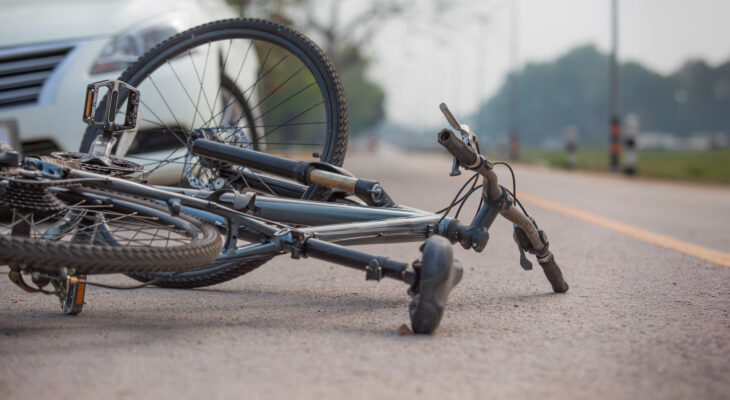
With May officially designated as National Bike Month, there is no better time to celebrate Wisconsin’s cycling culture while staying mindful of the risks on the road. Whether you are commuting through urban centers or exploring rural paths, understanding the intersection of law, safety, and environment is essential for every cyclist.
Environmental Dangers: Weather and Terrain
In Wisconsin, the road surface changes dramatically with the seasons and the setting.
- Weather Impacts: Rain, morning dew, or melting snow make surfaces like manhole covers, bridge gratings, and painted road lines incredibly slick. When riding in wet conditions, cyclists should brake earlier and more gradually to account for reduced traction.
- Terrain challenges: Potholes, gravel, and debris often accumulate near the curb; exactly where cyclists are expected to ride.
What Actions Can Cyclists Take To Increase Their Own Safety?
Beyond wearing a properly fitted helmet, predictability is your best defense. Follow basic biking safety rules by using clear hand signals well in advance of turns and maintaining a safe distance, of at least 3 feet, from parked cards to avoid “dooring” incidents.
To enhance biking safety and visibility, consider these essential tools:
- High-Visibility Lighting: Wisconsin law requires a white front light and a red rear reflector (or light) for nighttime riding.
- MIPS Helmets: Modern helmets with Multi-directional Impact Protection Systems (MIPS) provide superior protection against rotational forces during a cyclist accident.
- Rear-View Mirrors: Handlebar or helmet-mounted mirrors help you monitor approaching vehicles without swerving.
Do Cyclists have the right of way?
Under Wisconsin law, a bicycle is considered a vehicle when on the roadway. This means you have a cyclist right of way equivalent to a motorist, but you also share the same responsibilities, such as obeying stop signs and traffic signals.
When it comes to biking on the sidewalk, regulations vary by local municipal ordinances. Generally, if you are on a sidewalk, you must yield to pedestrians, as pedestrian and cyclist safety relies on the smaller or slower traffic having priority.
Fault and Cyclist Accident Claims
Determining fault in a collision can be complex. Accidents often range from motorists failing to yield during a left-cross turn to incidents where a rider may be distracted. Because Wisconsin follows specific negligence rules, your ability to recover damages in cyclists accident claims depends on a clear reconstruction of the event.
If you have been injured, securing a Wisconsin personal injury attorney who understands the nuances of cycling laws is vital.
Contact an Experienced Personal Injury Lawyer Today
The aftermath of an accident can be overwhelming, involving medical recovery and complex insurance disputes. The team at Herrling Clark Law Firm is dedicated to protecting the rights of the cycling community. We understand the specific challenges you face on the road and are ready to provide the expert legal advocacy you deserve. Contact us today.