When is a Pedestrian at Fault for a Car Accident?
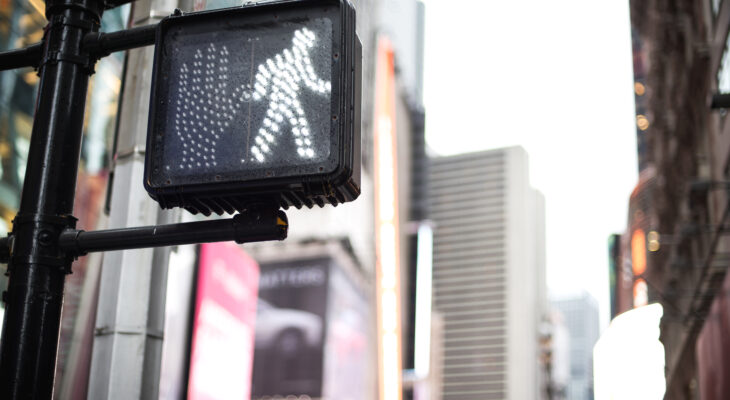
When a car collides with a pedestrian, the immediate assumption often leans toward the driver being at fault. And for good reason: drivers carry a significant responsibility to operate their vehicles safely and be aware of vulnerable road users like pedestrians. However, the law of negligence isn’t always so clear-cut. You may be wondering, when is a pedestrian at fault for a car accident? While less common, there are specific circumstances where a pedestrian can be found partially or even entirely at fault for a car accident in Wisconsin.
Understanding these situations is crucial, not to shift blame unfairly, but to accurately assess liability and ensure justice is served in complex accident cases. Here’s a look at scenarios where a pedestrian might be considered at fault for a car accident:
Jaywalking or Crossing Outside of a Designated Crosswalk
This is arguably the most common scenario where pedestrian fault comes into play. Pedestrians have a duty to cross streets safely, which generally means using marked crosswalks and obeying traffic signals.
- Crossing mid-block: Stepping into traffic between intersections, especially in areas with high traffic volume or speed limits, significantly increases the risk of an accident.
- Ignoring “Don’t Walk” signals: Entering a crosswalk when the signal clearly indicates “Don’t Walk” or when the pedestrian signal hasn’t changed.
- Darting into traffic: Suddenly running into the street without giving drivers sufficient time to react, even if they are within a crosswalk.
Walking While Intoxicated or Impaired
Just as impaired driving is dangerous, walking while under the influence of alcohol or drugs can severely impair a pedestrian’s judgment, coordination, and awareness of their surroundings.
- Stumbling into traffic: An intoxicated pedestrian might lose balance and fall into the path of an oncoming vehicle.
- Lack of awareness: Impairment can prevent a pedestrian from seeing or hearing approaching vehicles, leading them to walk into dangerous situations.
- Disregarding traffic signals: An impaired pedestrian may ignore red lights or walk against traffic.
Distracted Walking
In our increasingly connected world, distracted walking is a growing concern. Using electronic devices while walking can be as dangerous for pedestrians as distracted driving is for motorists.
- Using cell phones: Texting, talking, or browsing the internet while crossing the street or walking near traffic can divert a pedestrian’s attention from vehicles and traffic signals.
- Wearing headphones: Listening to music or podcasts at a high volume can prevent a pedestrian from hearing approaching vehicles, horns, or warning shouts.
Walking on Highways or Restricted Access Roads
Highways and freeways are designed for high-speed vehicular traffic and are generally not intended for pedestrian use.
- Walking on shoulders: Pedestrians walking along the shoulders of highways, particularly at night or in low visibility, are at extreme risk.
- Attempting to cross a highway: This is exceptionally dangerous and the fast speeds of vehicles can make it extremely challenging to stop in time if someone steps out onto a highway.
How a Herrling Clark Law Firm Attorney Can Help
Determining fault in a pedestrian-car accident is complex and often requires a thorough investigation. Factors like driver speed, visibility, traffic signals, and witness statements all play a role. If you or a loved one has been involved in a pedestrian accident, regardless of who you believe was at fault, it is crucial to consult with an experienced personal injury attorney. Contact us today.