Who Is Liable in a Deer-Related Car Accident?
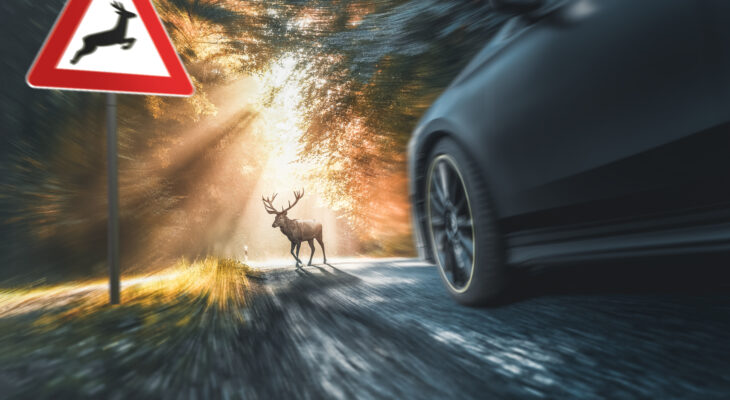
While encountering wildlife is often a serene experience, a deer suddenly appearing on the road can turn into a terrifying and costly accident. When the unfortunate happens, a common question arises: Who is liable in a deer-related car accident? Here’s a breakdown of liability in Wisconsin when it comes to deer collisions.
The General Rule: No-Fault for Wildlife
In most straightforward cases where your vehicle collides with a wild animal like a deer, you, as the driver, are generally not considered at fault. Unlike accidents involving other drivers, there’s no “owner” of a wild deer to hold liable for damages. This means you won’t typically face penalties or fines for the collision itself.
This “no-fault” principle applies because hitting a wild animal is usually considered an unforeseen and unavoidable event. Your insurance company will likely classify it as a comprehensive claim, which covers damage to your vehicle from events outside of a collision with another vehicle (like theft, vandalism, or animal strikes). It’s always best to check with your insurance provider.
When Liability Can Shift: Swerving and Secondary Accidents
The “no-fault” rule has a crucial exception: when your actions to avoid a deer lead to another collision. This is where things can get complicated.
Imagine this scenario: you see a deer, swerve to avoid it, and in doing so, you hit another vehicle, a tree, or an oncoming object. In such cases, you may be held liable for the resulting damages and injuries.
Why? Because while the deer was the initial cause for alarm, your decision to swerve could be considered a negligent act if it led to a more severe accident that could have been avoided by braking firmly and staying in your lane. Wisconsin law, like that in many states, generally advises drivers to brake firmly and maintain control, even if it means hitting the deer, rather than swerving into oncoming traffic or off the road.
Factors that could influence liability in a secondary accident include:
- Speed: Was your speed appropriate for the conditions and area known for deer crossings?
- Driver impairment: Were you distracted, fatigued, or under the influence?
- Signage: Were there deer crossing signs that you failed to heed?
- Passenger injuries: If passengers in your vehicle are injured, they may have a claim against you if it can be proven that your actions contributed to their injuries.
What to Do After a Deer-Related Accident
If you find yourself in a deer-related car accident in Wisconsin, here’s what you should do:
- Prioritize Safety: Move your vehicle to a safe location if possible. Turn on your hazard lights.
- Check for Injuries: Assess yourself and any passengers for injuries. If anyone is injured, call 911 immediately.
- Do NOT Approach the Deer: An injured or frightened deer can be unpredictable and dangerous. Stay clear.
- Report the Accident:
- Call Law Enforcement: It’s generally advisable to call the police, even if damage is minor or the deer runs off. A police report can be crucial for your insurance claim.
- Contact Your Insurance Company: Notify your insurance provider as soon as possible to begin the claims process.
- Report the Accident:
- Document the Scene: If safe to do so, take photos of your vehicle’s damage, the deer (if present), the roadway, and any relevant surroundings. Get contact information from any witnesses.
- Seek Medical Attention: Even if you feel fine, some injuries, like whiplash, may not be immediately apparent. It’s always wise to get checked out by a medical professional.
Deer-related accidents serve as a reminder that even routine drives can present unpredictable challenges, making awareness and caution essential for every motorist.