Your Checklist to Snowmobile and Other Winter Recreational Vehicle Safety
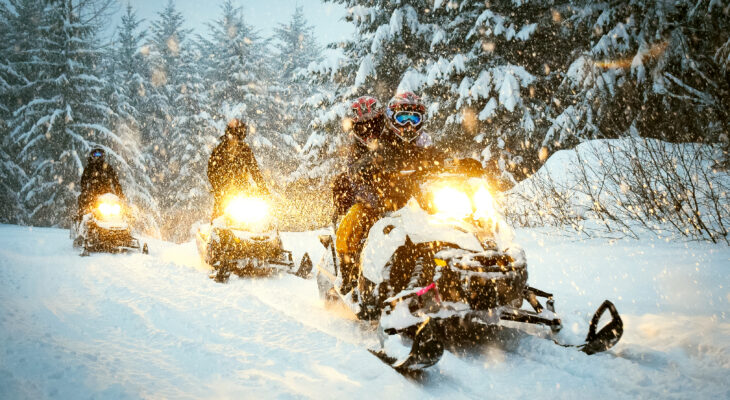
In Wisconsin, the arrival of winter brings more than just snow; it marks the beginning of trail season. For many nothing compares to the thrill of a crisp day on a snowmobile or an ATV. However, as any experienced rider knows, the unpredictability of winter terrain can lead to serious accidents.
At Herrling Clark, we represent riders and families who have had their lives changed by recreational vehicle accidents. To help you stay safe and legally compliant this season, we’ve put together a comprehensive checklist for your next winter adventure.
Your Pre-Ride Safety Checklist
Before you hit the trails, taking 10 minutes to inspect your vehicle and your gear can be the difference between a great day and devastating injury.
The Legal Essentials
- Safety Certification: In Wisconsin, any snowmobile operator born on or after January 1, 1985 and any ATV operator born on or after January 1, 1988 is required to carry a valid Safety Certificate when riding on public trails.
- Registration & Trail Passes: Ensure your DNR registration is current and your trail pass is permanently affixed to your windshield (or a visible forward location).
- Insurance: Review your policy. Standard homeowners’ insurance often does not cover accidents involving ATVs or snowmobiles away from your own property.
Vehicle Inspection
- Check the Controls: Ensure the throttle and brakes are responsive and don’t “stick” in the cold.
- Lighting: Confirm that your headlamps and tail lights are functional—visibility is notoriously poor during winter flurries.
- Fluid Levels: Check your fuel and oil. Getting stranded in sub-zero temperatures is a survival risk, not just an inconvenience.
Safety Gear
- Helmet: If you are under 18, Wisconsin law requires a DOT-standard helmet. For those over 18, it is still the single most effective way to prevent a fatal head injury.
- Layered Clothing: Avoid cotton. Use moisture-wicking layers and a windproof outer shell to prevent hypothermia.
- The “Survival Kit”: Carry a small bag with a flashlight, extra batteries, a first-aid kit, a whistle, and high-protein snacks.
Navigating the Trails Safely
Operating a recreational vehicle requires a different mindset than driving a car. Keep these “rules of the road” winter vehicle safety tips in mind:
- Mind the 10 MPH Rule: In Wisconsin, you must slow to 10 MPH or less when you are within 100 feet of a person not on a motorized vehicle or within 100 feet of a fishing shanty.
- Stay Right and Stay Visible: Much like a highway, stay to the right side of the trail, especially on blind curves and hills.
- Never Ride Alone: If an accident occurs or your machine breaks down, having a partner can save your life.
- Ice is Never 100% Safe: The DNR does not monitor ice thickness. Check with local bait shops or fishing clubs before crossing frozen water, and never follow “old tracks” as a guarantee of safety.
Contact an Experienced Attorney
While we hope your winter is full of safe riding, we know that accidents happen even to the most prepared enthusiasts. If you or a loved one has been injured in a snowmobile or ATV accident, the team at Herrling Clark Law Firm is here to help you understand your rights and navigate the insurance process. Contact us today.