Who is Legally Responsible in Personal Injury Cases?
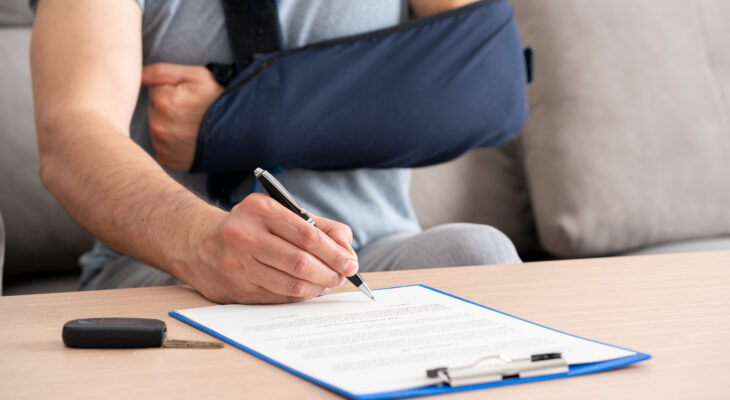
Getting hurt in an accident can leave you facing mounting medical bills, time off work, and serious physical and emotional pain. In the middle of all the stress, one main question determines whether you can get financial compensation. Who is legally responsible?
What Determines Liability?
In personal injury law, liability refers to legal responsibility for financial damages caused to another person. Establishing liability in personal injury cases typically hinges on demonstrating that someone acted negligently, carelessly, recklessly, or intentionally, resulting in harm.
To establish a legal liability case, four fundamental elements must be proven:
- Duty of Care: The other party had a legal responsibility to act safely (for example: drivers must obey traffic laws, and store owners must keep walkways safe).
- Breach of Duty: They failed to act safely (like texting while driving or ignoring a wet, slippery floor).
- Causation: Their unsafe choice directly caused the incident and your injury.
- Damages: You suffered real losses as a result, such as doctor bills, lost wages, or pain and suffering.
What Does Personal Liability Mean?
Personal liability is the legal responsibility an individual person holds for their own actions when those actions cause damage or injury to someone else.
When a person has personal liability, their insurance policies, like home, auto, or business insurance, are typically used to pay for the victim’s damages. For example, if a homeowner fails to fix a broken porch step and a guest falls and breaks an arm, the homeowner’s liability insurance may help cover those costs and expenses.
How is Fault Determined in a Personal Injury Case?
Figuring out who is at fault requires collecting concrete evidence. Insurance companies, lawyers, and judges look at several key details to figure out what happened.
- Police and Incident Reports: Official notes from responding officers or store managers detailing the initial event.
- Photos and Witness Accounts: Scene photos, video footage, and statements from people who saw what happened.
- Medical Records: Doctor notes that prove your injuries came directly from the accident.
- Expert Analysis: Input from medical doctors or accident specialists who explain how the crash or fall occurred.
In states like Wisconsin, fault can sometimes be split between multiple people. If you are found partially at fault for the accident, your total payout might be reduced by your percentage of responsibility
Protect Your Rights with an Experienced Personal Injury Law Firm
Sorting through insurance claims, gathering evidence, and establishing clear bodily injury liability can be daunting when you’re trying to focus on healing. Partnering with a skilled personal injury law firm ensures your rights are protected and that all liable parties are held accountable.
If you or a loved one has suffered a personal injury, contact Herrling Clark Law Firm today. Our experienced attorneys are ready to review your case and help you seek the full compensation you deserve.