Common Places Where Slip And Falls Occur
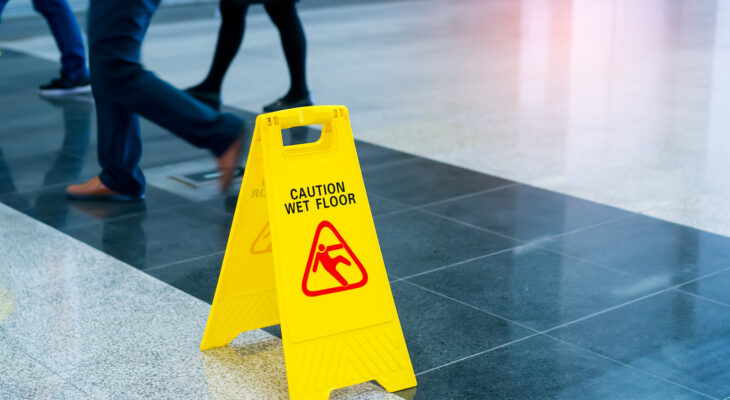
A routine walk through a grocery store or typical shift at the office can change in an instant. Slip and fall accidents are among the most common causes of personal injury, often resulting from hazards that could have been prevented with proper maintenance. Understanding where these incidents are most likely to happen is the first step in staying safe.
Where Do Most Slip and Fall Accidents Occur?
While a fall can happen anywhere, certain environments present higher risks due to foot traffic, the nature of the work, or environmental factors. Common locations include:
- Retail stores and Supermarkets: Spilled liquids, dropped produce, or freshly waxed floors without proper signage are frequent slip and fall causes.
- Work: These often occur in warehouses with uneven flooring, construction sites with debris, or even office kitchens where leaks go unnoticed.
- Parking lots and sidewalks: In Wisconsin, cracked pavement and the accumulation of ice and snow create treacherous conditions for pedestrians.
- Restaurants and Bars: Dim lighting combined with spilled drinks or food creates a high-risk environment for both patrons and staff.
What to Do After a Slip and Fall Accident?
If you experience a slip, trip or fall, taking the right steps immediately can protect both your health and your potential legal claim.:
- Seek Medical Attention: Some injuries, like concussions or internal bruising, may not be immediately obvious. A medical record is essential documentation.
- Report the Incident: Notify the manager, owner, or supervisor on-site. Ensure an incident report is filed and request a copy for your records.
- Document to Scene: If possible, take photos of the hazard that caused the fall.
- Identify Witnesses: Collect contact information from anyone who saw the accident occur.
Can You Sue for a Slip and Fall Accident?
Yes, you may be able to file a lawsuit if the property owner’s negligence caused the accident. Under Wisconsin’s liability laws, owners have a ‘duty of care’ to maintain a safe environment. To succeed in a claim, you must generally prove that a hazardous condition existed, the owner knew (or should have known) about it, and they failed to fix or warn visitors about the danger.
Because Wisconsin follows a modified comparative negligence rule, your compensation would be affected if you are found partially at fault. This makes it critical to have professional guidance
Contact a Personal Injury Attorney
Navigating the aftermath of an injury involves dealing with insurance companies and complex legal standards. Consulting a slip and fall attorney ensures that your rights are represented and that you receive fair compensation for medical bills and lost wages. If you’ve been injured, contact an experienced personal injury attorney at our firm today.