Who is at Fault When a Pedestrian is Hit at a Yellow Light
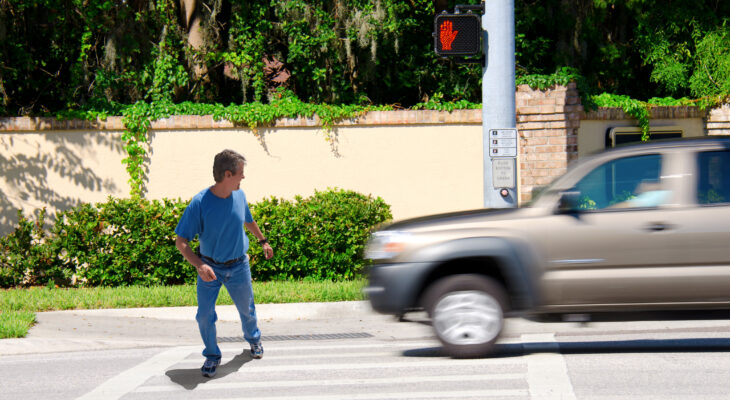
Intersections are some of the most dangerous places. When a traffic light transitions from green to yellow, drivers and pedestrians often make split-second, high-stakes decisions.
If a pedestrian accident occurs during this transition, determining who has the right of way can quickly become complicated. Is the driver automatically at fault for failing to stop, or does the pedestrian share the blame?
Understanding how legal liability is determined in a yellow light pedestrian right of way dispute is crucial for protecting your rights if you’ve been injured.
Can a Pedestrian Be at Fault in an Accident
Yes. While many believe that pedestrians always have the right of way, this is a common legal misconception. Under Wisconsin law, pedestrians are required to obey traffic signals, crosswalk indicators, and general rules of safety just like motor vehicles.
While drivers have a heightened duty of care because they operate heavy, potentially deadly machinery, a pedestrian cannot simply walk into traffic with impunity. If a pedestrian behaves negligently or violates traffic statutes, they can be held partially or fully liable for a right of way accident.
When is a Pedestrian at Fault for a Car Accident
When looking closely at a pedestrian accident yellow light scenario, a pedestrian may be found negligent under several specific circumstances:
- Stepping off the curb late: If a pedestrian starts to cross the street after the signal has already changed to a “Don’t Walk” or flashing orange hand, they are violating the law.
- Darting into traffic: Pedestrians cannot suddenly step off a curb into the path of an oncoming vehicle that is too close to stop safely – even if they are in a cross walk.
- Jaywalking: Crossing outside of a marked or unmarked crosswalk at an intersection without yielding to oncoming vehicles is a direct traffic violation.
- Distracted Walking: Walking while looking down at a smartphone, wearing noise-cancelling headphones, or failing to pay attention to surrounding traffic can establish comparative negligence.
Who Determines Fault in a Pedestrian-Vehicle Incident
Determining fault in a pedestrian-vehicle accident is rarely straightforward, especially when a yellow light is involved. Responsibility is evaluated by multiple parties using specific legal standards and physical evidence:
- Responding Law Enforcement: Police officers who attend the scene investigate the crash, interview witnesses, analyze physical damage, and issue citations if a driver or pedestrian violated traffic laws. While a police report is vital evidence, it does not legally bind civil liability claims.
- Insurance Adjusters: After a claim is filed, insurance companies assign adjusters to evaluate the accident. They review police reports, traffic camera footage, witness statements, vehicle black box data, and medical records to assign percentage shares of fault to each party.
- Judges and Juries: If an insurance claim cannot be settled, the case proceeds to a court of law. In Wisconsin, civil courts apply the state’s modified comparative negligence rule. Under this rule, an injured pedestrian can still recover compensation as long as they were not more than 50% at fault for the accident. However, any financial recovery will be reduced by their percentage of fault.
Protect Your Rights with a Pedestrian Accident Attorney
If you or a loved one has been injured, do not navigate the insurance and legal process alone. An experienced pedestrian accident attorney can help level the playing field, protect your rights, and secure you the compensation you deserve. If your future’s at stake, contact Herrling Clark Law Firm today.